Whatsapp: + 84-33769-1322 Email: info@maquagroup.com

The “Black Diamond” Supply Strategy: How Indian Incense Importers Dominate the Global Agarbatti Market
India’s agarbatti industry—often called the “Black Diamond” market—is recession-resilient and deeply tied to human life rituals. Behind its dominance lies a highly sophisticated global supply chain connecting multiple sourcing countries. India imports key raw materials not due to scarcity, but to maximize efficiency and sustain long-term competitive advantage.
3/15/20263 min read
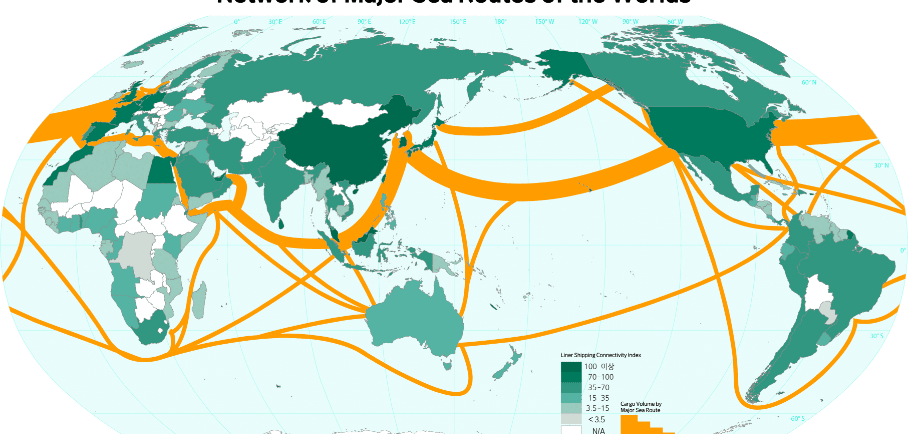
Six Core Import Strategies Behind the Incense Industry
1. Leveraging Country-of-Origin Advantages
Top importers never rely on a single “all-in-one” sourcing solution. Instead, they fragment their supply chains based on each country’s specialization.
China: Primary supplier of bamboo sticks, known for advanced surface processing technology that prevents cracking and ensures consistent aesthetics.
Vietnam: A reliable source of Joss powder and T1 adhesive powder, valued for superior binding properties.
Indonesia: The preferred origin for natural resin (Juhna), ensuring purity and authentic fragrance.
Operational insight:
This diversification strategy allows companies to access the best materials globally while reducing dependency risks tied to any single market.
2. Prioritizing Quality to Eliminate “Profit Leakage”
In the incense industry, profit does not lie in the price per kilogram of raw material, but in the number of finished sticks produced (Stick Count).
The mechanism
Adulterated domestic materials are often mixed with fillers to increase weight artificially.
As a result, 1 kg produces only about 900 sticks.
In contrast, high-purity imported materials can exceed 1,100 sticks per kg.
Strategic analysis
Using low-quality materials is essentially financial self-sabotage.
The difference of 200 sticks per kilogram represents a critical margin that professional importers aggressively protect.
“Adulterated raw materials increase weight but reduce output. Never be deceived by a cheap price—the real cost lies in utilization efficiency.”
3. Managing Information Asymmetry with Trade Data
Professional importers treat data as an investment rather than an expense. Many companies spend roughly 1.5 lakh INR annually on detailed customs and trade intelligence.
Key advantages
Identifying the Top 5–10 global suppliers
Understanding actual shipment volumes
Discovering the real purchase prices competitors pay
Risk management logic
Spending 1.5 lakh INR to protect a shipment worth 30 lakh INR is a rational decision. Trade data prevents companies from overpaying for low-quality materials and strengthens their bargaining position with suppliers.
4. Using Tier-1 Market Standards as a Benchmark
For newcomers entering the industry, the safest strategy is to follow the footprints of industry leaders.
Execution approach
Search for suppliers that are already exporting to high-regulation markets such as the United States. If a supplier meets strict U.S. compliance standards, their production stability typically exceeds what is required for the Indian market.
Strategic value
This approach effectively uses third-party credibility as a risk filter, significantly reducing supplier auditing time.
5. Optimizing Liquidity Through Payment Terms
Supply chain relationships evolve from transactions to strategic partnerships through the structure of payment flows.
Early stage
Payment terms commonly follow 30% advance / 70% before shipment
Mature stage
Companies negotiate 100% DP (Documents against Payment)
This creates a powerful liquidity advantage, allowing firms to pay only when shipment documents reach the bank, thereby optimizing the working capital cycle.
6. Long-Term CAPEX Strategy: Importing Machinery
Rather than relying on low-durability domestic “copycat” machinery, leading manufacturers prefer importing machines directly from countries such as Vietnam.
Total Cost of Ownership (TCO)
Although the initial investment is higher, imported machines typically operate reliably for 3–5 years, minimizing transport damage and production downtime.
This reflects a long-term CAPEX strategy focused on operational performance rather than short-term cost savings.
Strategic Perspective: Supply Chains as Competitive Advantage
In modern business management, supply chain resilience is an intangible asset.
Maintaining strategic inventories and diversified sourcing allowed the incense industry to survive the global pandemic without major production disruptions.
The difference between 1,100 sticks and 900 sticks per kilogram is not merely a technical detail—it represents the dividing line between a scalable enterprise and a company gradually losing competitiveness due to resource inefficiency.
Landing Cost and Tariff Analysis
Effective cost management requires careful attention to India’s import tariff structure.
Bamboo sticks: Highest duty burden, typically around 25%, representing the largest cost barrier.
Powder materials (T1 powder, Joss powder, Juhna resin): Often low duty or duty-free, depending on classification and trade agreements.
Machinery: Generally subject mainly to IGST, with minimal direct customs duty, encouraging technological upgrades.
Conclusion
The success of India’s incense industry demonstrates how traditional manufacturing can thrive when combined with modern supply chain strategy.
By controlling quality at the source, leveraging trade intelligence to eliminate information asymmetry, and maximizing output efficiency from every gram of raw material, importers have transformed their supply chains into powerful competitive fortresses.
The critical question for CEOs is clear:
Is your company competing by pushing supplier prices to the lowest possible level, or by building the most resilient and efficient supply chain capable of dominating the market?
Contact information
MAQUA GROUP Co., Ltd.
Address: 36 Trần Tử Bình , Nghĩa Đô, Hanoi, Vietnam
whatsApp: + 84-33769-1322
Email : info@maquagroup.com
Website : maquagroup.com